
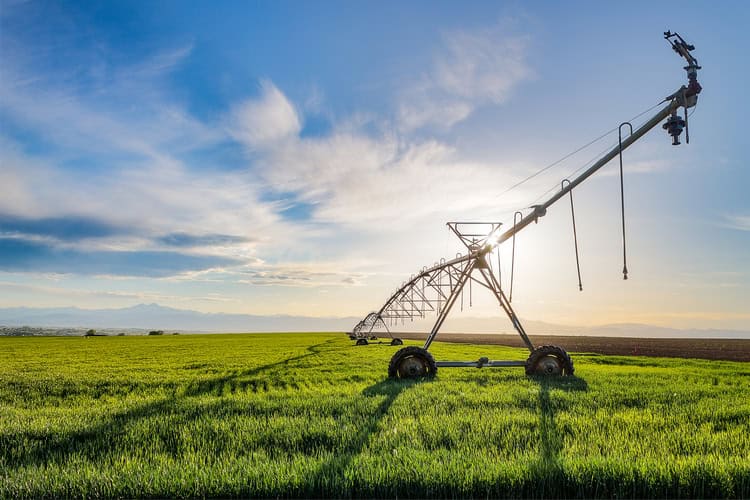
Agriculture remains a vital part of Colorado’s identity and economy, even as service industries lead in employment. With over 36,000 farms spread across approximately 31 million acres, Colorado continues to be a powerhouse in food production and export.
As of 2025, agriculture contributes nearly $47 billion in annual economic activity in Colorado, supporting over 170,000 jobs statewide. From crops to livestock and food processing, the industry feeds both the nation and the world—with food product exports exceeding $1.2 billion annually.
Yet behind this productivity lies a workforce often underpaid, overworked, and dangerously unprotected: Colorado’s farm workers.
The Hidden Cost of Agricultural Labor
Farm workers are essential to the success of Colorado’s farming and ranching industries. However, they remain among the most exploited and least protected labor groups in the U.S.
Farming consistently ranks among the top 10 most dangerous occupatioxns, with injury and fatality rates far above the national average. Simultaneously, many agricultural laborers earn some of the lowest wages in the country. As of the latest data, the mean annual income for farm workers is under $50,000, with many still earning close to minimum wage.
Wage violations are common—particularly for those paid via piece-rate (by bucket, bag, or task). Common issues include:
- Unlawful deductions
- Failure to pay for all hours worked
- Sub-minimum wages under certain contract types
Minimum Wage: What Colorado Law Requires
Colorado mandates that all farm workers receive at least the state minimum wage for every hour worked. As of January 1, 2025, Colorado’s minimum wage is $15.27 per hour, well above the federal minimum of $7.25.
While exemptions exist for certain seasonal or family-run operations, most agricultural employers are legally obligated to meet state minimum wage standards. Workers who are shortchanged may be entitled to back pay and penalties.
Health, Housing, and Safety Protections
Farm laborers often face unsafe and unhealthy conditions in both their workplaces and living environments. Some common issues include:
- Overcrowded and unsafe transportation
- Substandard housing without sanitation
- Lack of protective equipment when handling chemicals
- Under Colorado and federal law, farmworker housing and transportation must meet specific health and safety standards. These include:
- Safe and inspected vehicles for transport
- Clean, structurally sound housing with access to sanitation
- Proper ventilation and pest control
Pesticide Exposure Protections
Exposure to hazardous chemicals, particularly pesticides, is a major risk. The Worker Protection Standard (WPS)—adopted by the Colorado Department of Agriculture—requires employers to:
- Provide protective equipment
- Supply drinking water, restrooms, and washing stations
- Offer training on pesticide safety and emergency procedures
- Maintain decontamination sites and restricted entry zones
Workers’ Compensation Rights for Farm Employees
All agricultural employers in Colorado must provide workers’ compensation insurance. This insurance entitles injured farm workers to:
- Immediate and fully paid medical treatment
- Partial wage replacement during recovery (temporary disability)
- Compensation for permanent impairment, if applicable
- Vocational rehabilitation or return-to-work assistance
You do not have to be a citizen to qualify for workers’ compensation. Undocumented workers are also covered under Colorado’s laws.
Stand Up for Your Rights—We’re Here to Help
Far too often, farm workers avoid asserting their legal rights out of fear—fear of losing their job, retaliation, or deportation. But you are protected, and you are not alone.
If you or someone you know has suffered a work-related injury or is being denied proper pay or conditions, reach out for legal help immediately. The attorneys at Kaplan Morrell have decades of experience advocating for Colorado’s agricultural workers. We’re here to guide you through every step—confidentially and compassionately.
Call us now at 303-780-7329 for a free consultation.